
My PhD Journey with RECONNECTED
Reflections from Samuel Lam: PhD researcher at St Mary’s University (UK), working alongside migrant communities within RECONNECTED
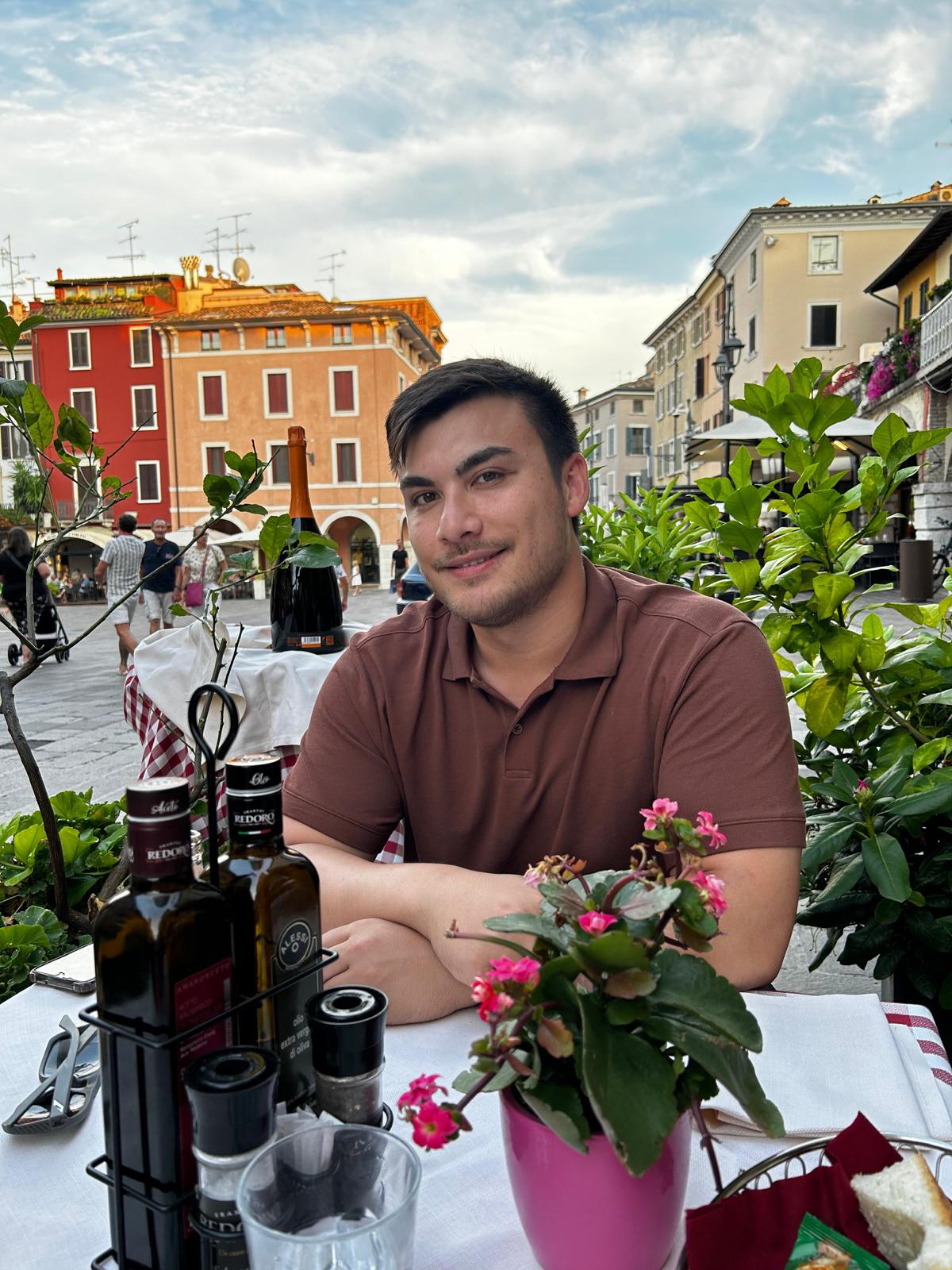
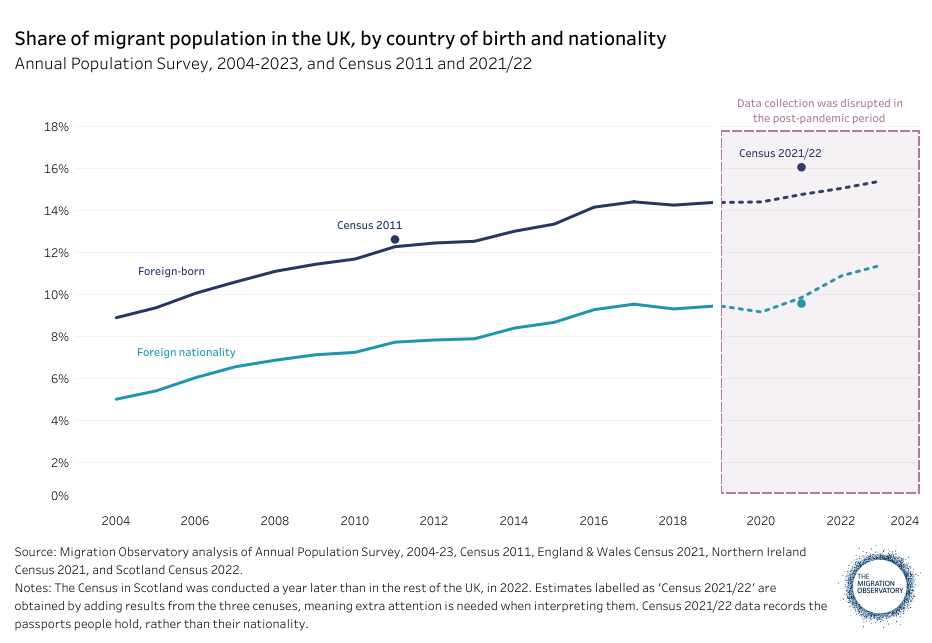
Nearly one in six people living in the UK are migrants, yet many face significant barriers when trying to access mental health support. Language differences, cultural stigma, unfamiliarity with healthcare systems, and low trust in services are significant barriers to seeking help. These challenges are one of the reasons why I chose to pursue a PhD focused on migrant mental wellbeing. Hello, my name is Samuel Lam and I’m a 2nd year PhD candidate in Psychology. I work full-time on the RECONNECTED study and am pleased to share my experiences of the project and as a postgraduate researcher.
Author: Samuel Lam, St. Mary’s Twickenham
The RECONNECTED study is the main focus of my PhD. Funded by Horizon Europe, the project spans a consortium of 11 partners across 9 European countries, with the overarching aim of understanding how global transitions affect the mental health of European citizens and developing digital solutions for vulnerable communities. The UK branch, where I am based at St Mary’s University, focuses on migrants from non-Western countries, who represent nearly 17% of the UK population.
What makes this work particularly important is that migrants often experience unique challenges that can affect their wellbeing. These may include adapting to a new culture, separation from family and support networks, discrimination, financial pressures, and uncertainty about their legal status. Despite these challenges, many migrants struggle to access appropriate mental health support. Through RECONNECTED, we hope to better understand these experiences and develop digital interventions that can help improve wellbeing in accessible and culturally sensitive ways.
“For me, one of the most rewarding aspects of the project is the opportunity to contribute to research that has the potential to make a meaningful difference to people’s lives. Mental health support is not always equally accessible, and I am motivated by the possibility that our findings could help shape services for communities that are often underserved or overlooked.”
As my PhD is well underway, I have a good understanding of my goals and what I need to do on a week-to-week basis. This was agreed during supervisory meetings that take place every couple of months (give or take). As we prepare to conduct a multifactorial trial, I have been busy writing a protocol, applying for ethical approval, and planning recruitment. My team at St Mary’s provides invaluable support, and our regular meetings give me a safe space to ask questions and learn in a hands-on way. Having access to experienced researchers who are willing to share their knowledge has been instrumental in my development as an early-career researcher. Collaborating with the wider RECONNECTED consortium also surrounds me with senior researchers and experts from across Europe. I hope these connections will open doors in the future and have already given me first-hand insight into what strong leadership and international collaboration look like in practice.
As much fun as it is, the PhD does have its hurdles. Balancing the pre-agreed milestones of the RECONNECTED study with producing PhD outputs and making the most of development opportunities requires careful prioritisation. Sometimes the balance has not been right, and that is something I have had to learn from. Recruiting migrants living in the UK is also difficult. As a vulnerable and traditionally hard-to-reach population, engagement takes time, trust, and a bit of creativity. Building relationships with communities cannot be rushed, and earning trust is often just as important as the research itself. This has taught me the importance of communicating in ways that are respectful, culturally sensitive, and genuinely collaborative. Luckily, my colleagues have direct experience of doing this, and following their lead has shown me how to adapt my communication to ensure we come across as professional and approachable. There is also the length of a PhD itself. Three or four years is a long time, and learning to be patient and trust that the work is moving forward, even when it does not feel like it, is something I continue to work on. Learning to sit with uncertainty and to treat obstacles as part of the process rather than signs of failure has been an important lesson not just for studying, but for everyday life as well.
Despite the challenges, the PhD journey has been incredibly rewarding. So far, I have completed training in Good Clinical Practice, research methods and statistics, academic writing, safeguarding and thesis writing. These directly support my day-to-day activities whilst also improving my ability as a lecturer and supervisor when I am asked to teach St Mary’s students.
I have also had the opportunity to attend conferences, including internal events at St Mary’s and across Europe. A particular highlight has been connecting regularly with other PhD students working across the RECONNECTED consortium. Sharing experiences, troubleshooting challenges together, and realising that many of the hurdles I face are universal, regardless of country or discipline, has been reassuring and motivating.
Looking ahead, I am excited to be travelling later this year to Australia to present my PhD research at the International Society for Research on Internet Interventions (ISRII) conference. This will undoubtedly be a major career milestone. As I soon approach my third (and potentially final) year, I have several outcomes in sight. The next major milestone is conducting our multifactorial trial, which I hope will shed light on which combinations of digital micro-interventions are most effective at improving the mental wellbeing of migrants in the UK.