
Youth Mental Health Beyond the Individual
Few have missed the public discussion about concerns about youth mental health. In August 2024 the Lancet Psychiatry Commission on youth mental health stated that the mental ill health of young people had entered a dangerous phase. The commission’s report went on to state that the mental health of youth had seen steady declines over the past two decades, particularly driven by the recent COVID-19 pandemic. In other words, research in youth mental health is in high demand. And paradoxically, youth-focused research makes up only 17.5% of global mental health research funding.
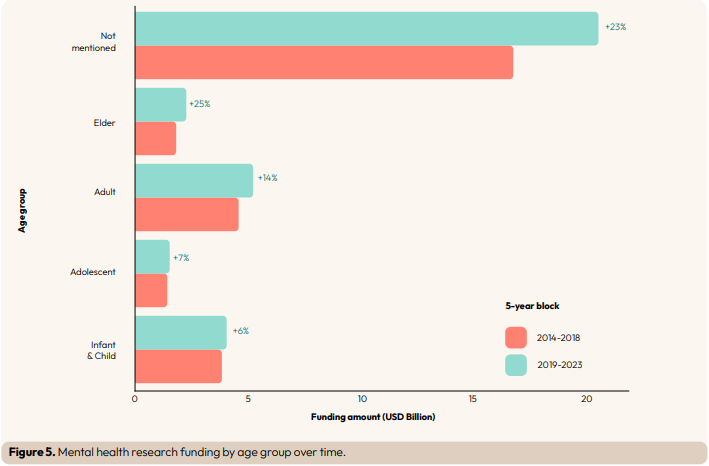
Therefore, our research team was thrilled to take part in the EU Horizon funded Reconnected research project, which examines how major global developments influence the daily life and mental health of European citizens and offers digital solutions to nine vulnerable communities with the aim to protect their mental health. The target group in Finland for the Reconnected project consists of young adults.
Our research work and clinical experiences with young people tell us a similar story. Stress, anxiety, uncertainties about the future are all too common words young people use to describe their mental health. Important interventions that are offered in response to these difficulties oftentimes focus on regulating emotions, modifying thinking patterns and behaviors, stress management, exposure interventions. And while these perspectives are important, it may probably not be a complete picture. Youth mental health does not exist in a vacuum. It is shaped by the everyday environments that the youth live in, the relationships they have, the larger societal and cultural conditions.
Family relationships can be a great resource and support for young people in this critical and vulnerable period in their lives, but they may also be a source of stress. School environments can support learning and be places where important friendships are formed, but they can also be places where young people are exposed to bullying and social isolation. Social media can promote a sense of belonging and peer support, but it may also expose young people to comparison, competition and harmful contents.
Youth are also aware of economic realities, inequalities, unemployment, political polarization and wars, which are factors that are very much present when they make decisions about future study and career paths, and when they envision what kind of future may be available for them.
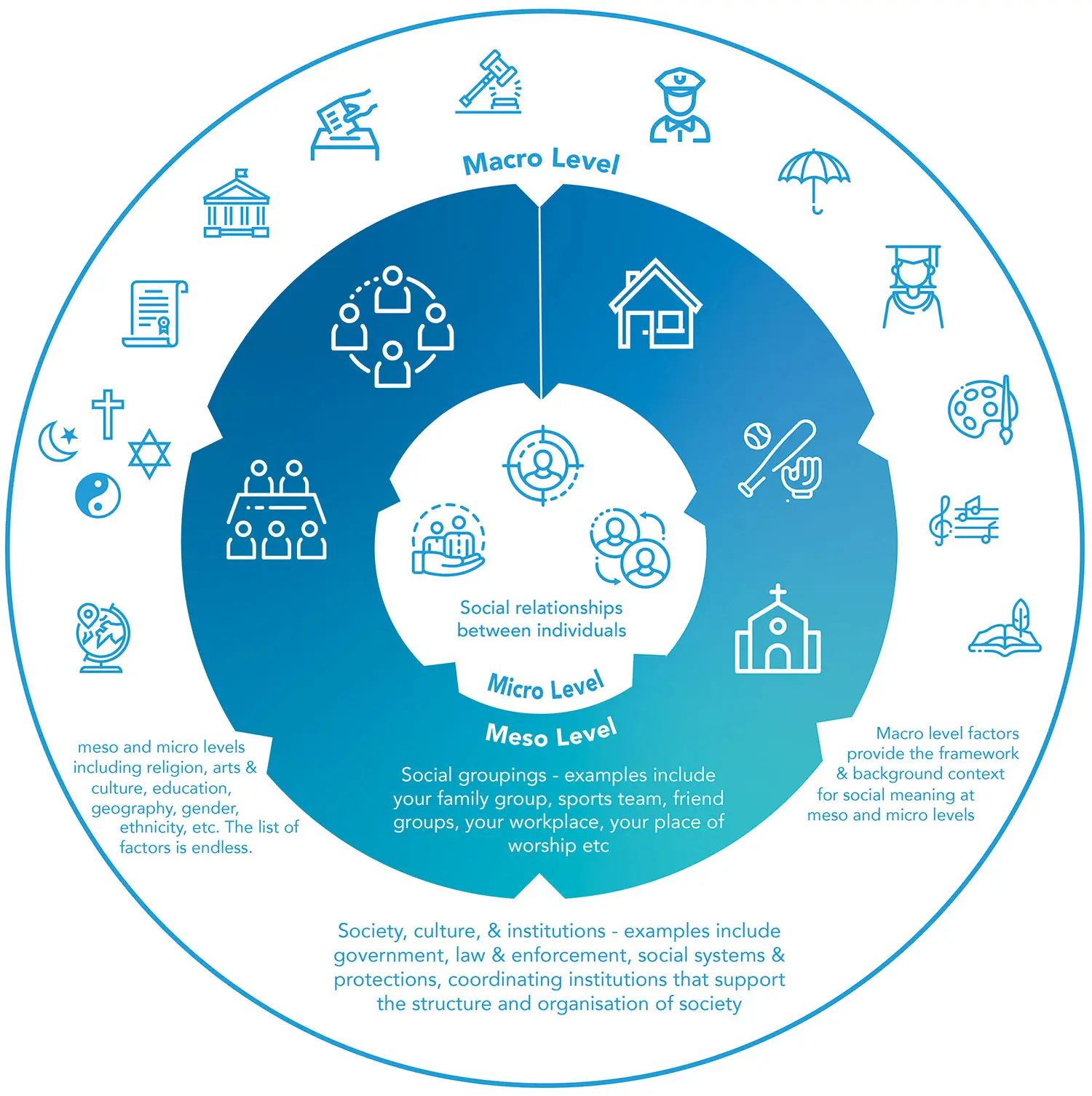
What we find particularly interesting about the Reconnected research project is that it takes into account exactly these social and societal conditions that play an important role in public mental health. It helps us uncover possible patterns in public mental health that are not visible at the individual level alone. When we have a broader understanding of the factors that are associated with youth mental health, we can develop better interventions to support mental wellbeing.
In the Reconnected project, not only individual but also social factors are taken into consideration in the digital support system that we develop. For example, it contains elements that strive to increase social participation and the quality of one’s social support systems, which can contribute to a more comprehensive approach to supporting our young people’s mental wellbeing.
“Personally, this kind of research that can potentially have positive effects on the mental health of young people feels especially rewarding to take part in, and I am of course always glad to see investments in youth mental health research. I see it as a great investment in our future!”

Author: Minja Westerlund
McGorry, P., Mei, C., Dalal, N., et al. (2024). The Lancet Psychiatry Commission on youth mental health. The Lancet Psychiatry, 11, 731–774.
Stoyanova, R., & Woelbert, E. (2026, May 6). Mapping a decade of mental health research funding. IAMHRF. https://doi.org/10.6084/m9.figshare.32051778